
.svg)
.svg)

.svg)


Open Cell vs Closed Cell Best for South of Louisiana
Choosing the right insulation in Louisiana and Mississippi is a high-stakes decision. Because our region faces extreme humidity and hurricane-force winds, the debate between open cell vs closed cell comes down to how you want to protect your home’s structure.
Both options offer a massive upgrade over fiberglass, but understanding their physical differences is key to a long-lasting, mold-free home.
Understanding Density and R Value Differences
The primary difference between these two products starts with their physical makeup and how much heat they can block in a small space.
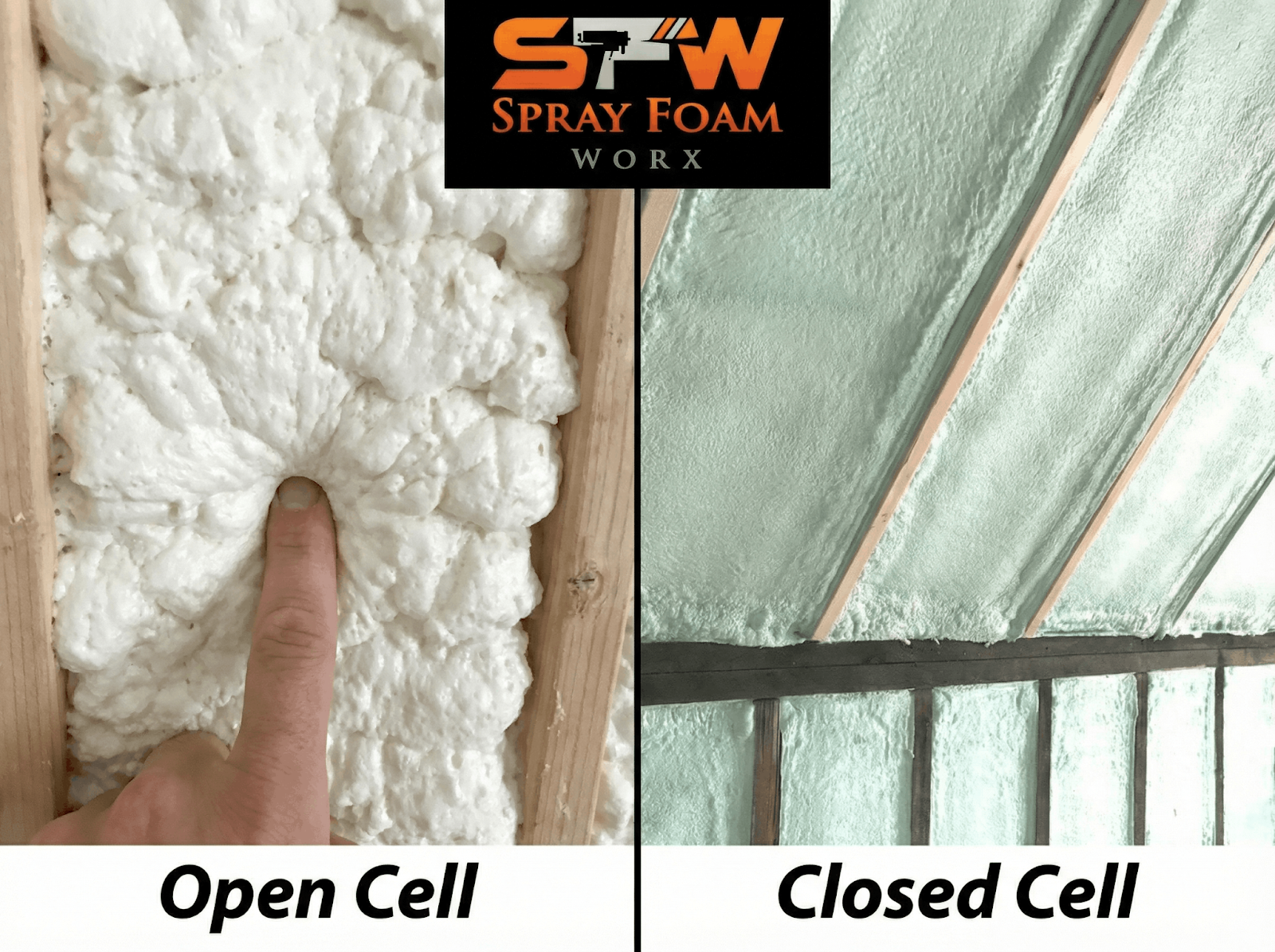
- Closed Cell Density This foam is rigid and incredibly dense. It offers a higher R-value (about R-7 per inch), meaning you get more insulating power in thinner walls.
- Open Cell Density This foam is soft and expansive, like a sponge. It has a lower R-value (about R-3.8 per inch) but is excellent at filling large, irregular gaps in attics.
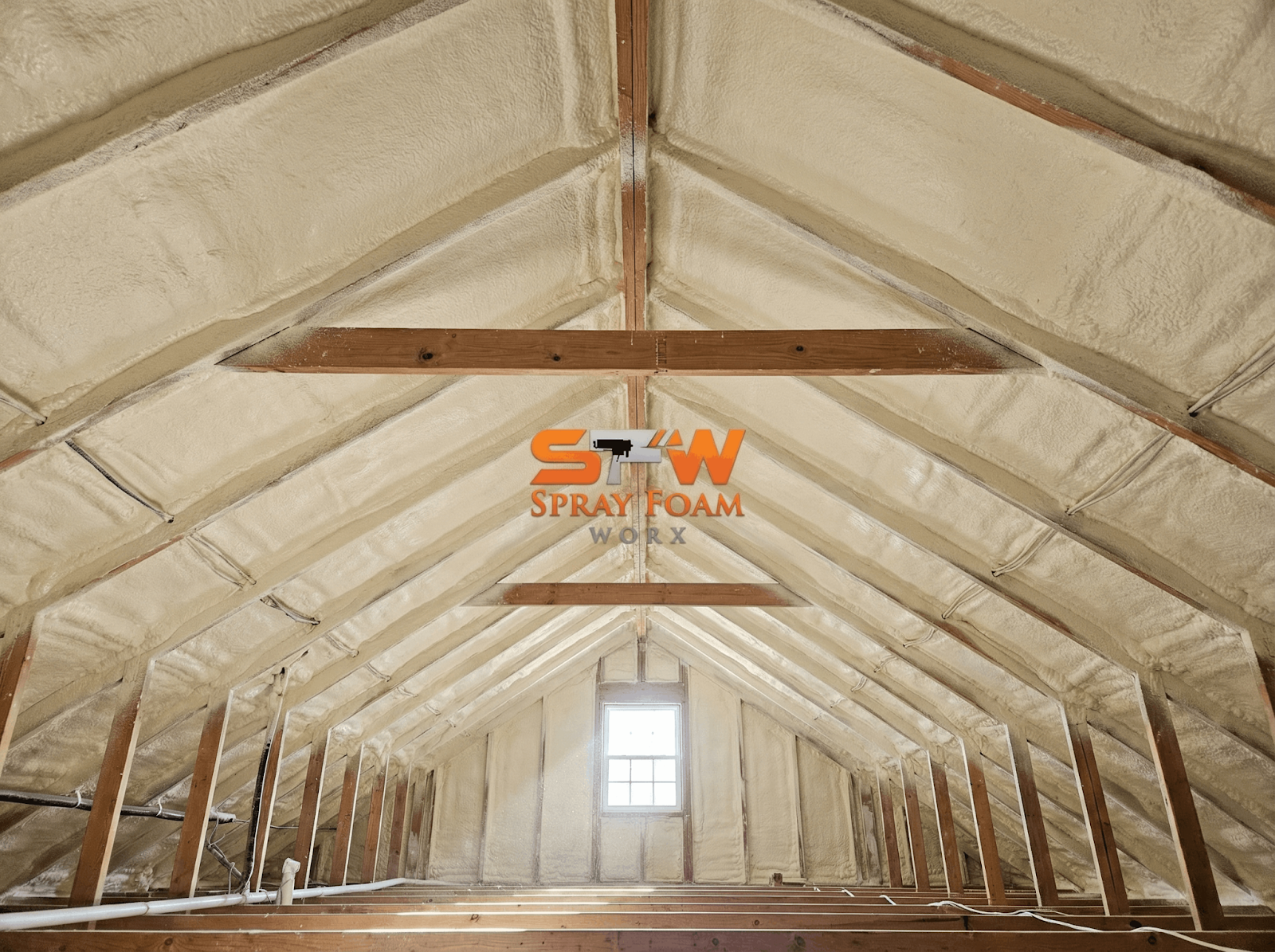
- Which to Choose If space is tight, closed cell spray foam insulation is the winner. If you have deep attic rafters and a tighter budget, open cell spray foam insulation is a popular choice.
Vapor Barriers and Humidity Control in the South
In the Gulf Coast, moisture is your home’s number one enemy. How your insulation handles water vapor determines whether you will deal with mold issues down the road.
The Power of a Built In Vapor Barrier
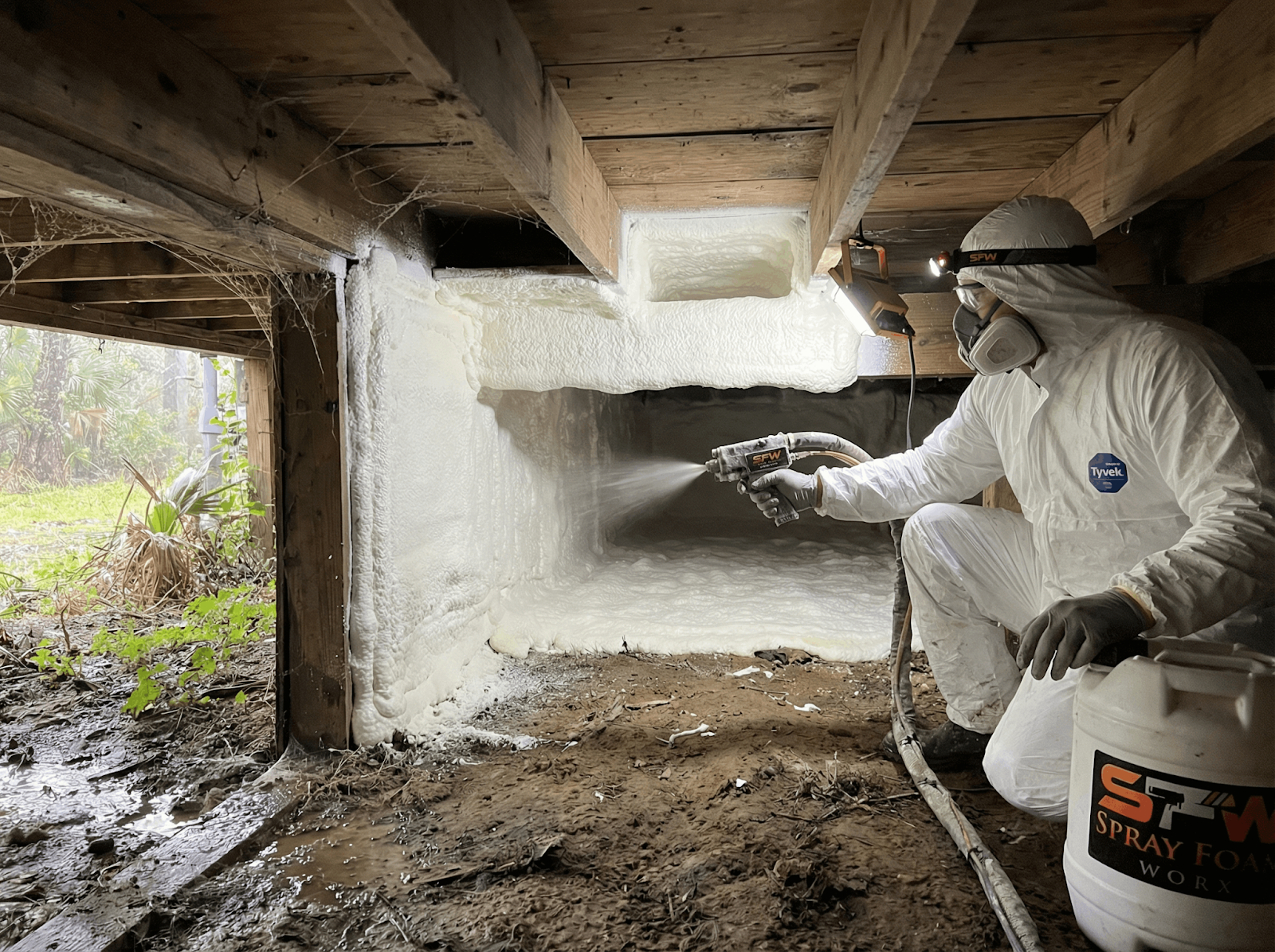
Closed cell foam is hydrophobic, meaning it repels water and acts as its own vapor barrier. This is critical for crawl spaces or exterior walls where humidity tries to seep in from the outside.
Open cell foam is permeable, meaning it allows moisture to pass through. While this is helpful for detecting roof leaks early, it often requires an additional vapor retarder in high-humidity zones to prevent moisture from getting trapped against your wood framing.
Adding Structural Integrity to Your Home
One of the most overlooked benefits of the open cell vs closed cell debate is how the material physically reinforces your house. In a hurricane-prone area, this can be a lifesaver.
- Racking Strength Closed cell foam hardens into a glue-like solid that can increase wall strength significantly.
- Flood Resistance Because it does not absorb water, closed cell foam is the only insulation material rated by FEMA as flood-resistant.
- Impact Defense It helps bond the roof deck to the rafters, providing extra uplift resistance during high-wind events.
Reach Out to Spray Foam Worx for an Expert Recommendation
Still not sure which foam is right for your project? Our team provides free inspections to help you weigh the pros and cons based on your home’s design and your budget in our Louisiana service area.
📞 Call Spray Foam Worx Today (985) 302-3112
FAQ
Q1: Can I use open cell foam in my crawl space?
We strongly advise against it. Open cells can absorb moisture in damp environments, making closed cell spray foam the only safe choice for crawl spaces.
Q2: Is open cell better for soundproofing?
Yes. Because it is softer and more porous, an open cell is much better at absorbing sound waves between rooms or floors.
Q3: Which foam is more expensive?
A closed cell is more expensive because it is more dense and uses more raw chemicals per square foot to achieve its rigid structure.
Q4: Does closed cell foam stop roof leaks?
It will not stop a leak from starting, but because it is waterproof, it prevents the water from soaking into your insulation and rotting your ceiling.



.png)